|
Location
Click Icon to Show on Map
|
City & Country |
|---|---|

,
|
()
|

Water Conservation at Diageo's Nile Site (Project)
Our response strategy at this site has been to implement an overall water stewardship programme, including capital investment and targets, specific to water stressed sites. The timeframe for this response strategy is the period of 2007 through 2020 - specifically, … Learn More

Water Quality Control Measures at Grupo Proeza's Santiago Facility (Project)
Implement river basin restoration in case of pollution. Increase spillls control and maintenance of equipment that use fluids to operate.Project ResultsEnvironmental protection Learn More
Menos plasticos en la basura (Project)
Reducir la cantidad de botellones, botellas y envases plasticos que terminan en nuestros rios y playas de la Republica Dominicana. Nuestro primer enfoque es Santo Domingo, Distrito Nacional. Para este fin, nos hemos asociados como voluntarios con la Fundacion Vida … Learn More
Water Supply (Project)
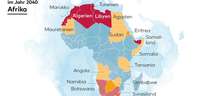
World Aqua specializes in several major fields of services: Supply of drinking water and utility water to disaster areas as an emergency response Production of still and carbonated water for commercial and residential consumption Production of mineral water and soft … Learn More
uMhlathuze Water Stewardship Partnership (UWASP) (Project)
The uMhlathuze Water Stewardship Partnership (UWASP) is a river basin collaboration of business, government and civil society partners established to address water security challenges in the uMhlathuze region of South Africa. UWASP aims to play a transformative role in the … Learn More
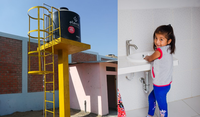
El centro educativo especial “Divino Tesoro” es un centro que alberga niños con condiciones especiales en sus talleres de desarrollo. Asimismo, el centro educativo inicial "Divino Pastor" alberga niños menores de 5 años. El proyecto tiene como objetivo crear condiciones … Learn More
Optimización de la Planta de Tratamiento de Aguas Residuales Domésticas - Planta Chao (Project)
Camposol tiene instalada una planta de tratamiento de agua residual industrial y doméstica, la misma que tiene una capacidad de tratamiento real de 40 m3/hr. La descarga de agua que se monitorea tiene como principales parámetros y concentraciones las siguientes: … Learn More
Plataforma de Cooperación y Custodia del Agua (PCCA) (Project)
To assess water risks and opportunities of banana production in the Frio and Sevilla watersheds. This site produces bananas that are part of the supply chain of an important German retailer and the project is done in collaboration with WWF, … Learn More

Proper and sustainable use of water resources benefits societies. (Project)
In the final year of an IB World School Primary Years Program (PYP), students conduct personal and group inquiries on a chosen topic. This should be transdisciplinary and address several areas of knowledge and synthesize the essential elements of the … Learn More
RichWater (Project)
RichWater main objective is the successful market entry, commercialization and replication of the RichWater system in water scarce regions in Europe and the MENA countries. This objective has been reached by developing and following a business plan, which includes a … Learn More


